Content
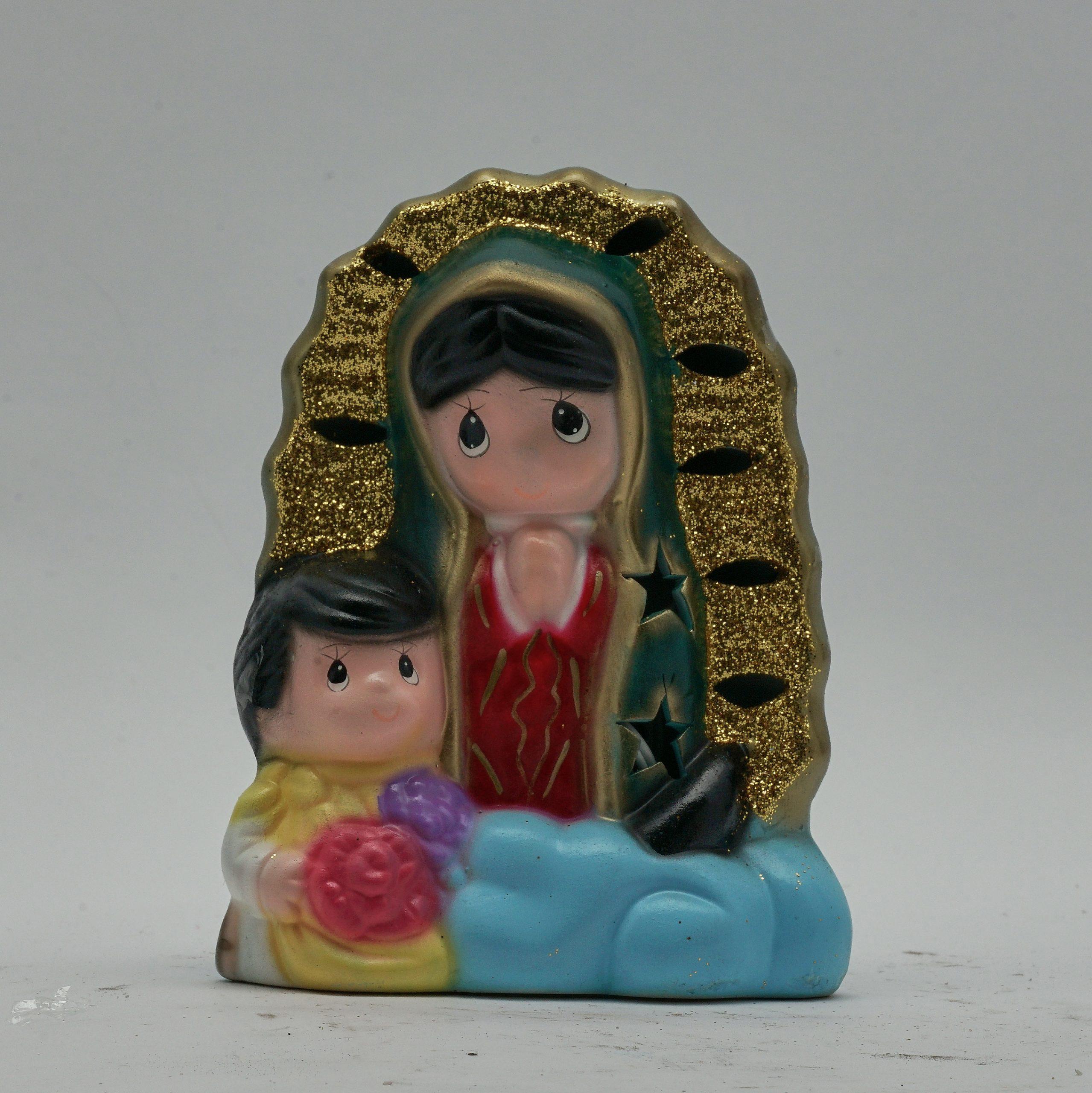
Virgin guadalupe lamp from mymexicostore.com
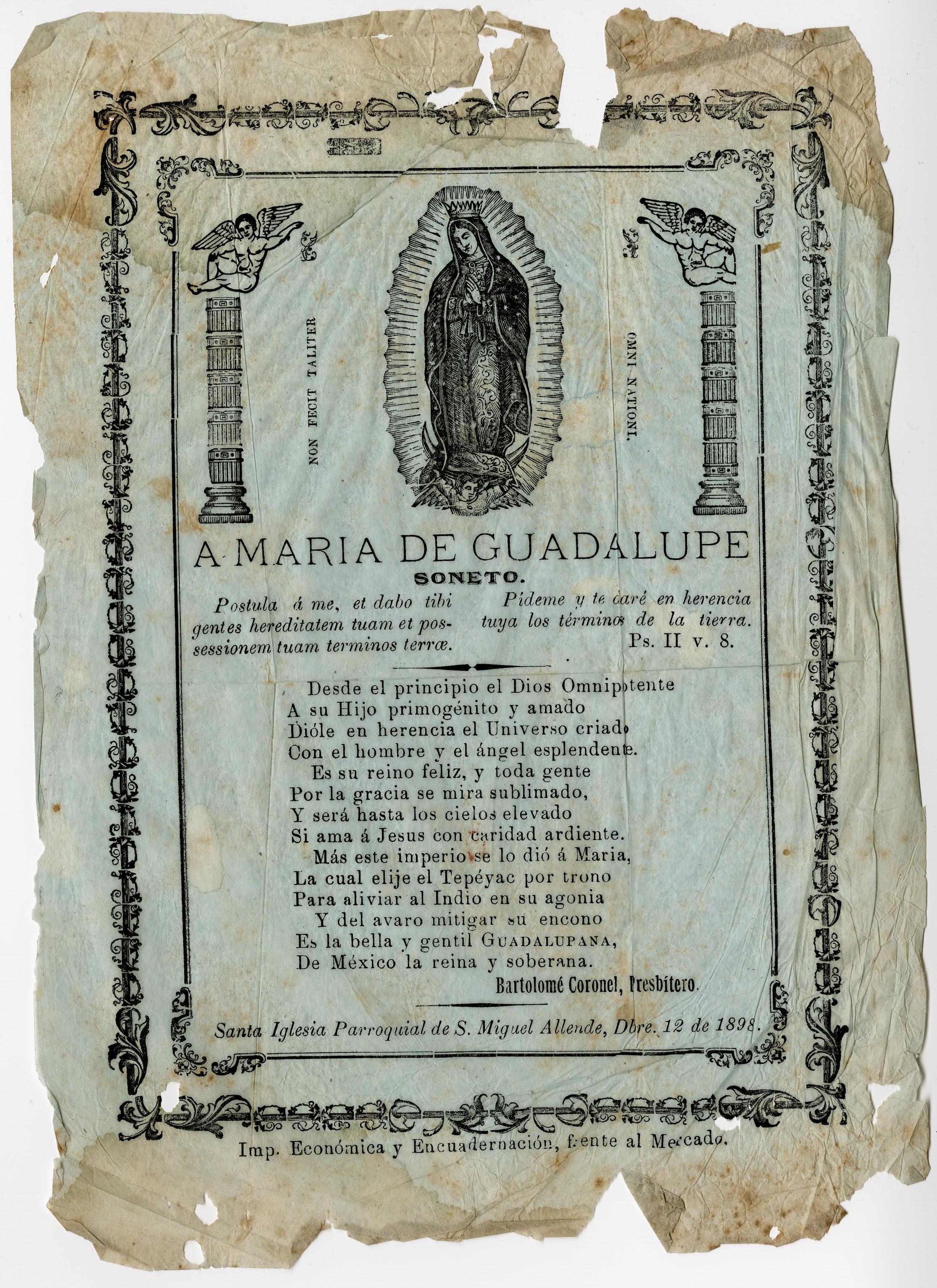
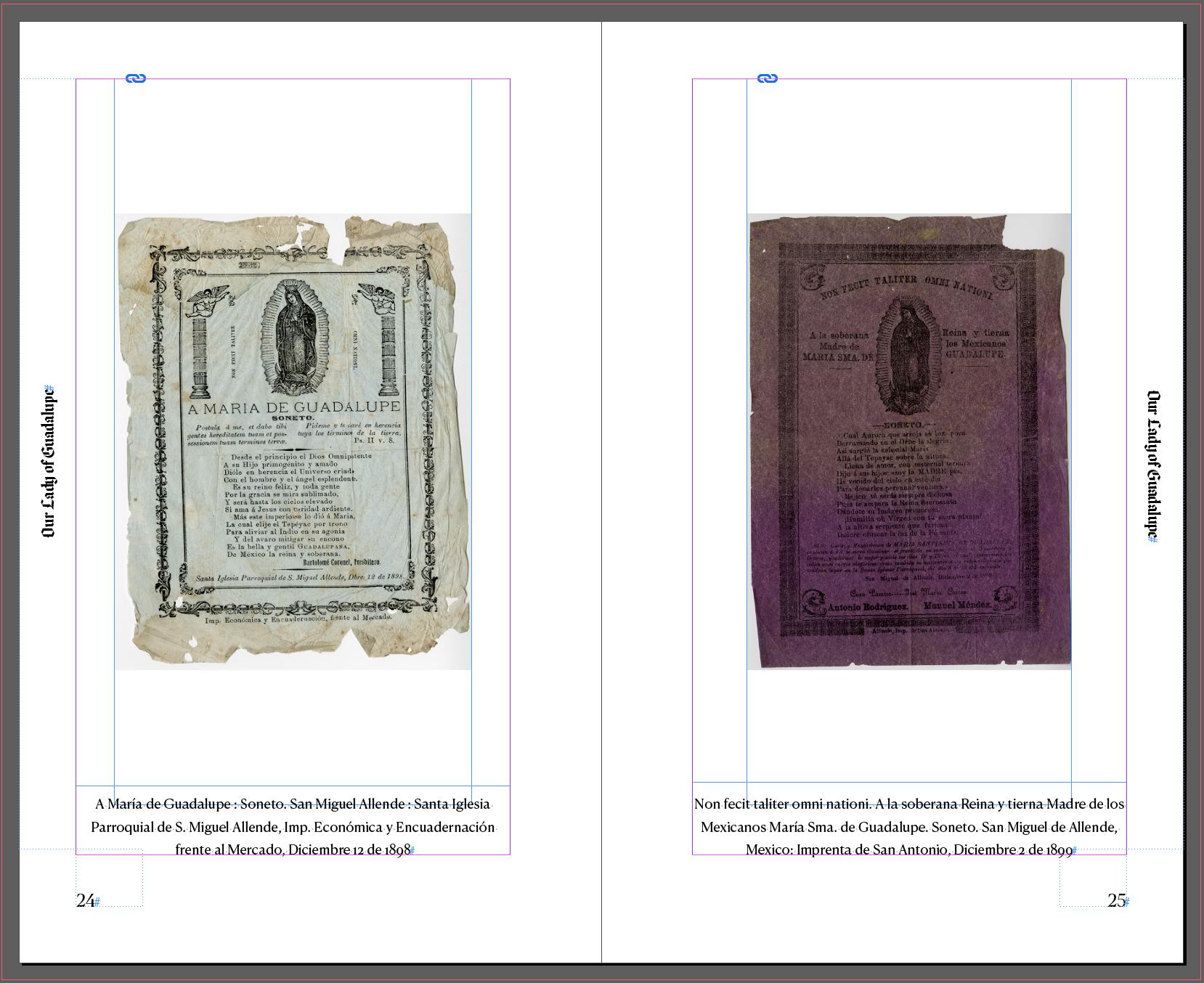
A María de Guadalupe : Soneto. San Miguel Allende : Santa Iglesia Parroquial de S. Miguel Allende, Imp. Económica y Encuadernación frente al Mercado; D[iciem]bre 12 de 1898

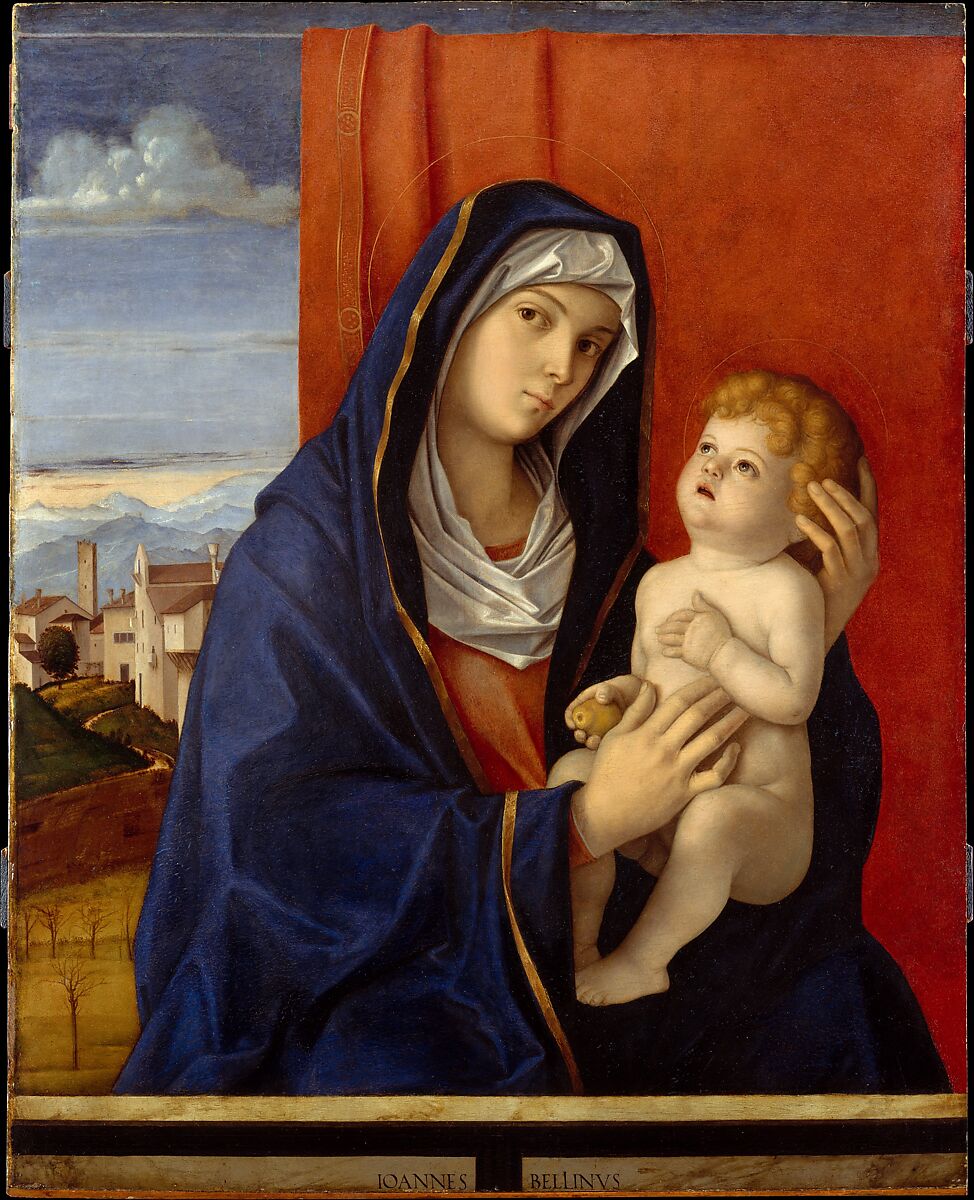
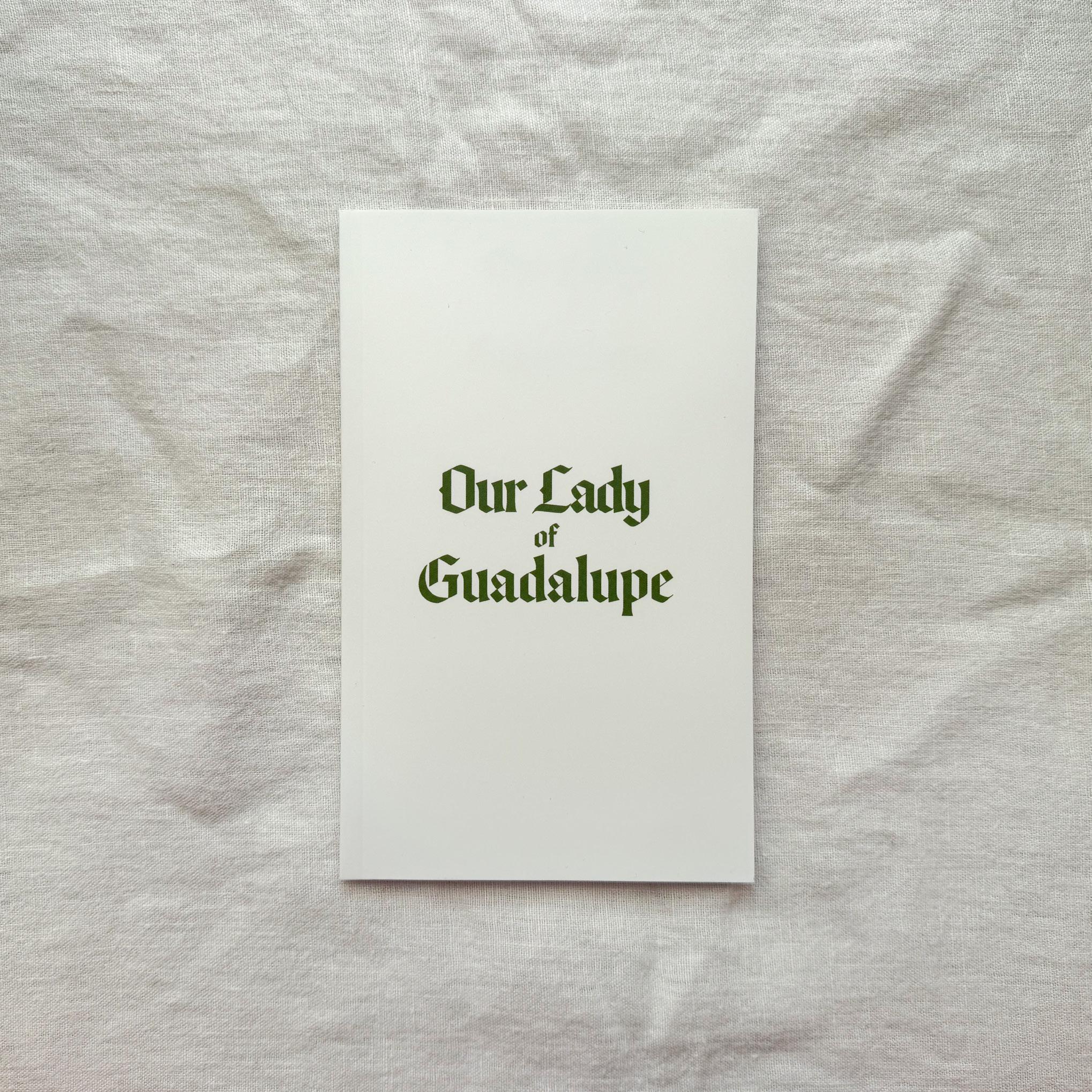
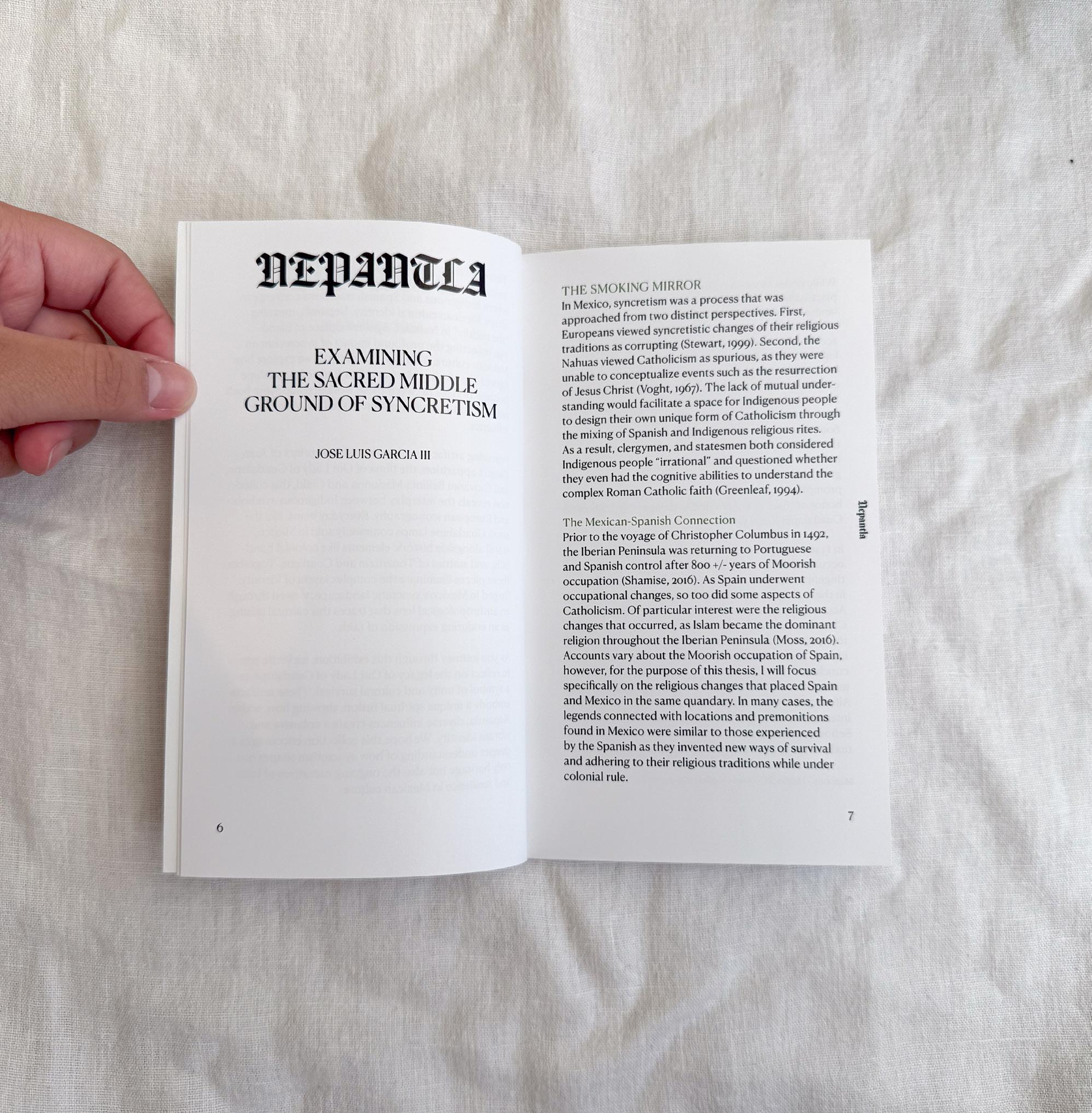
A typography publication exploring devotion, color, and cultural identity
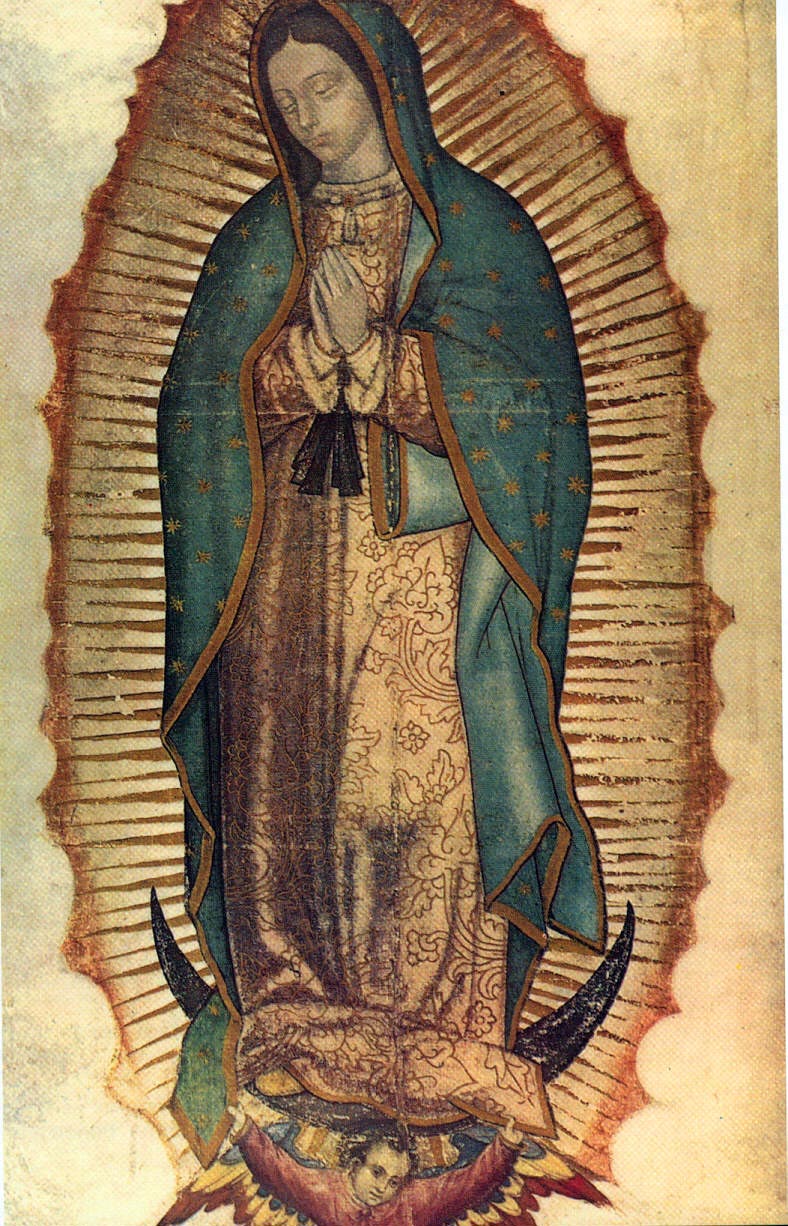
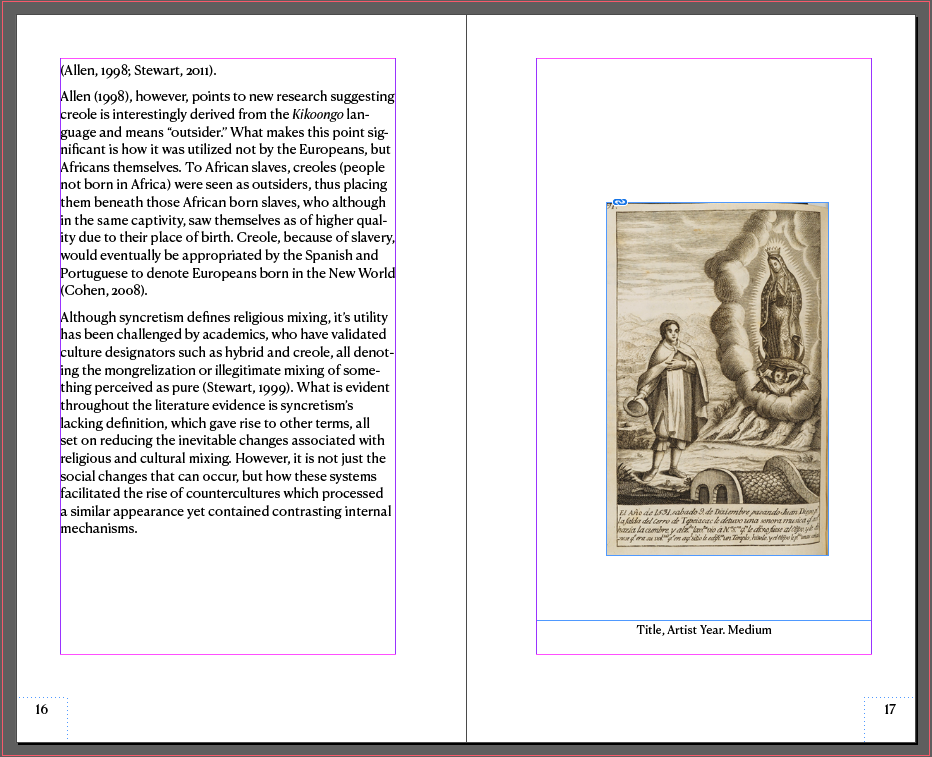
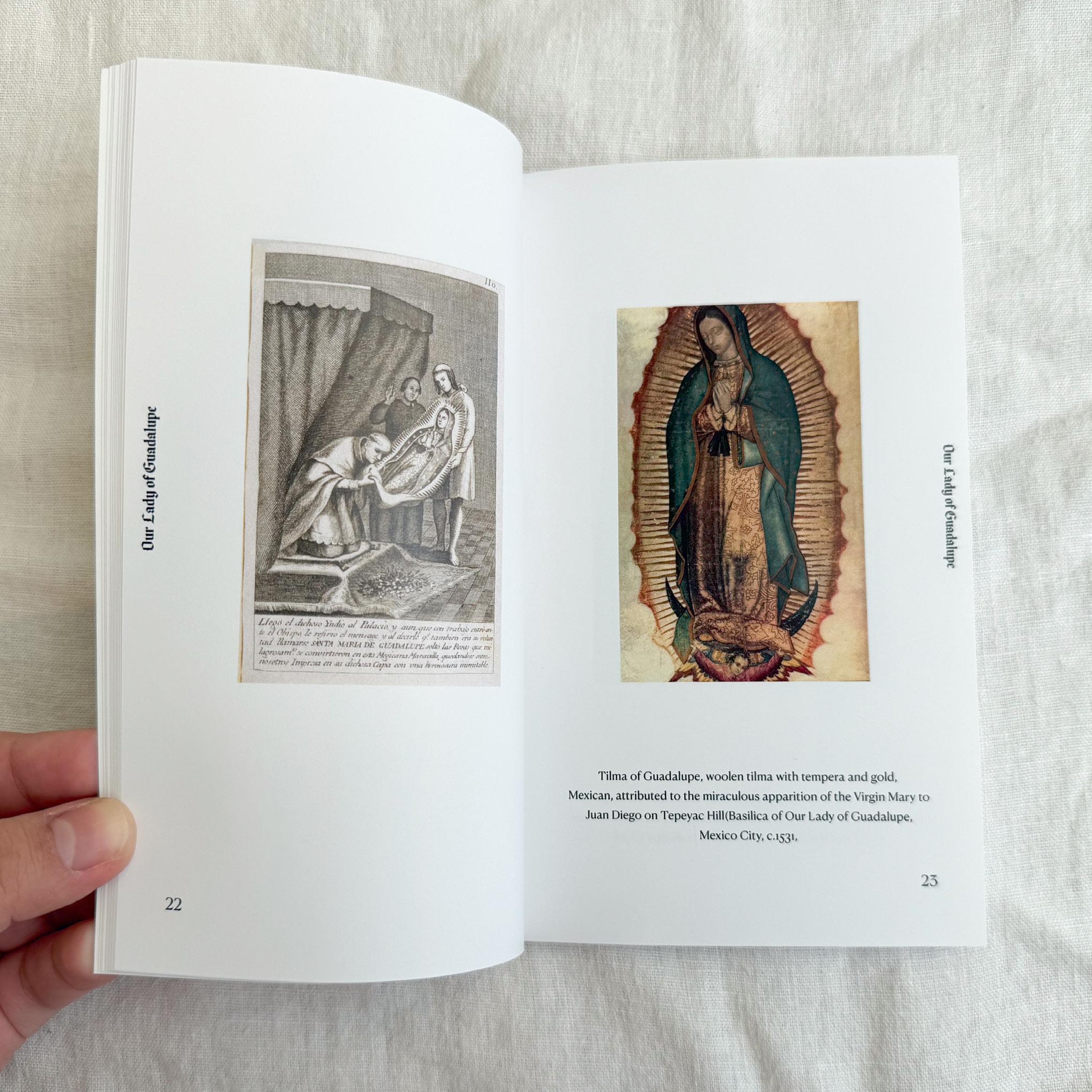
1. Tilma of Guadalupe, 1531, woolen tilma with tempera and gold, Mexican, attributed to the miraculous apparition of the Virgin Mary to Juan Diego on Tepeyac Hill (Basilica of Our Lady of Guadalupe, Mexico City)
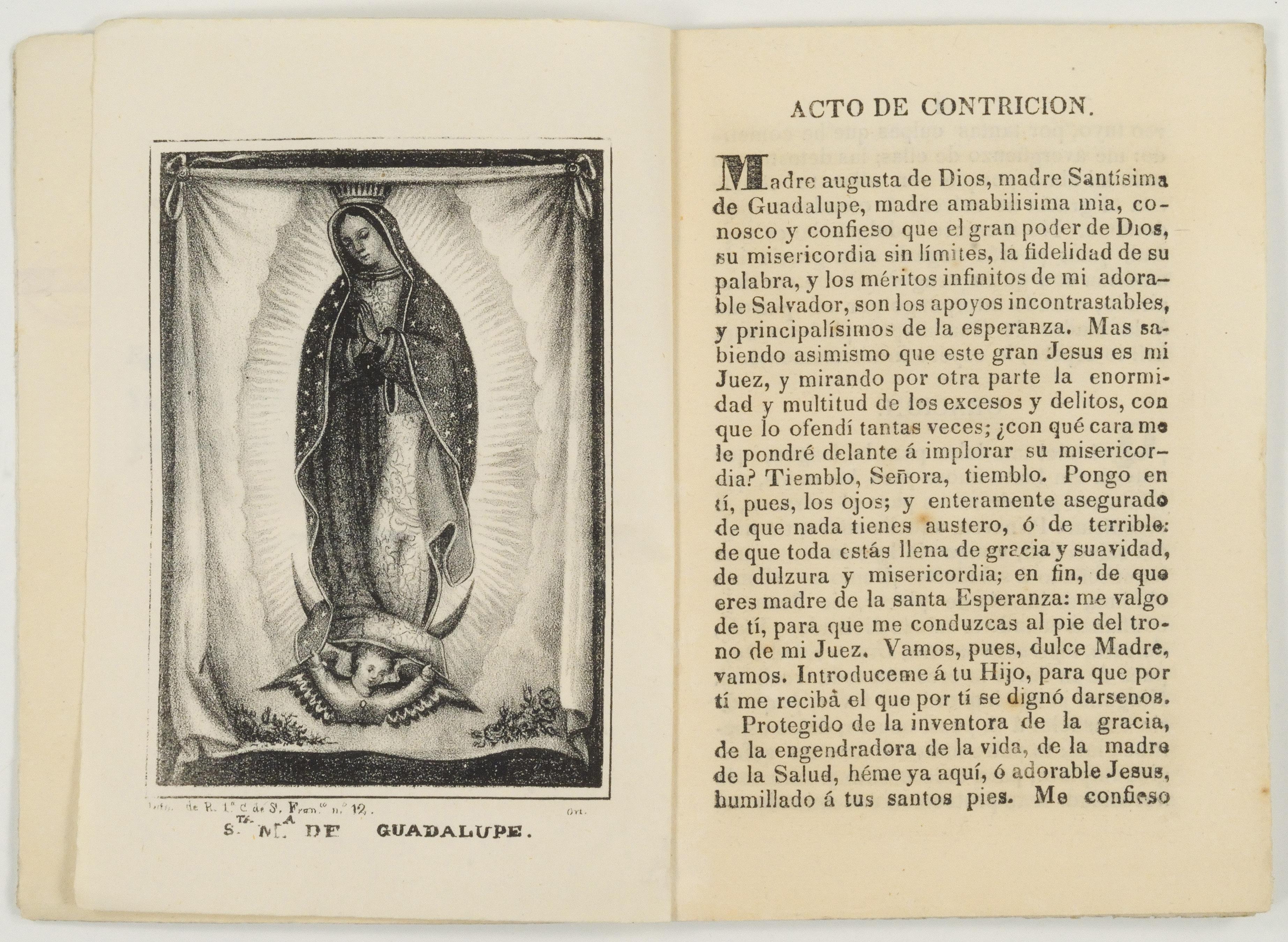
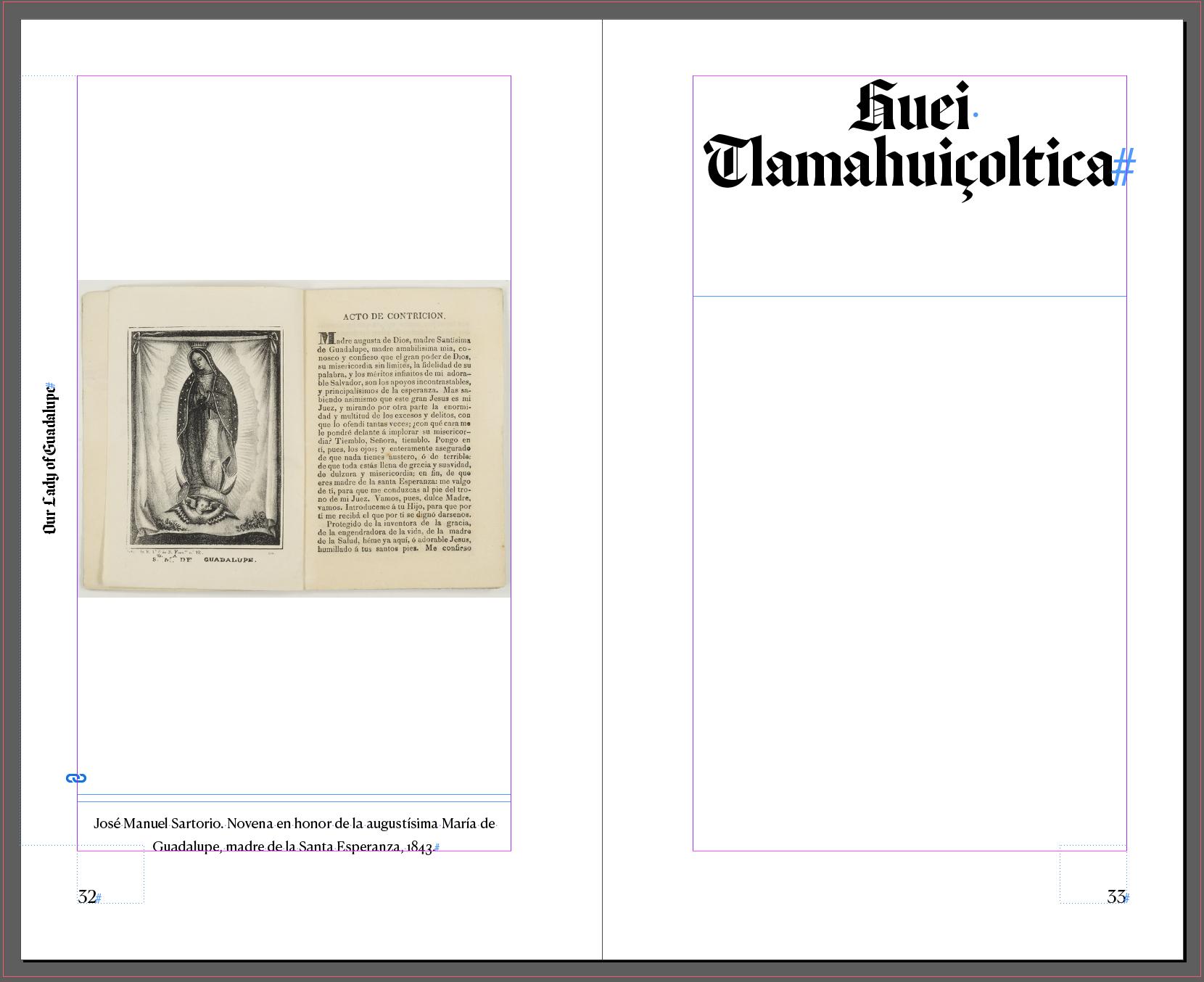
4. José Manuel Sartorio. Novena en honor de la augustísima María de Guadalupe, madre de la Santa Esperanza, 1843.
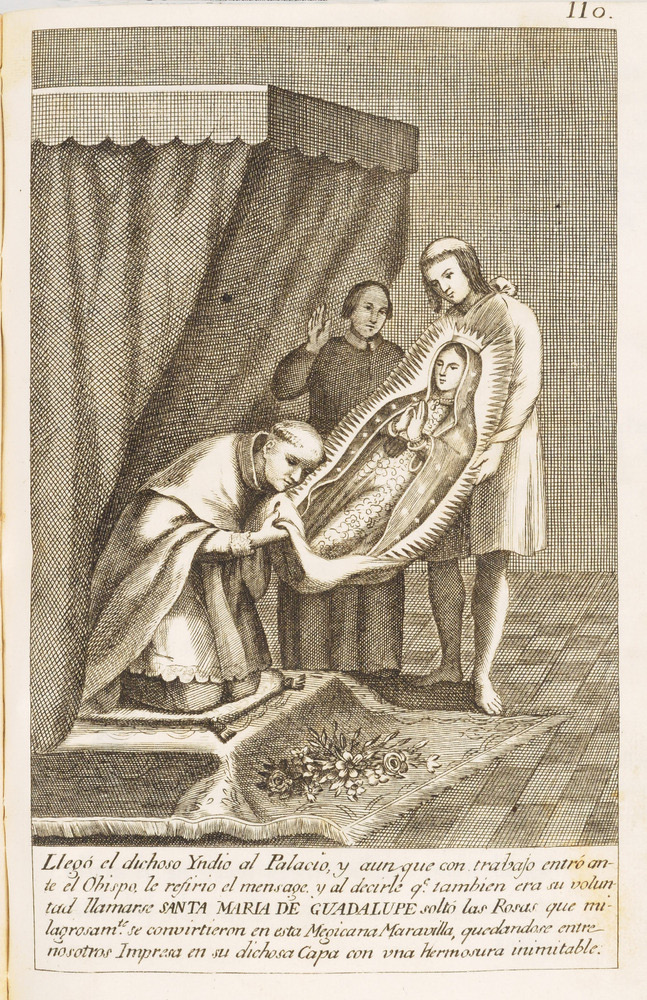
5. Francisco de Florencia. La estrella del norte de México, aparecida al rayar el día de la luz evangélica en este Nuevo Mundo…, 1785.
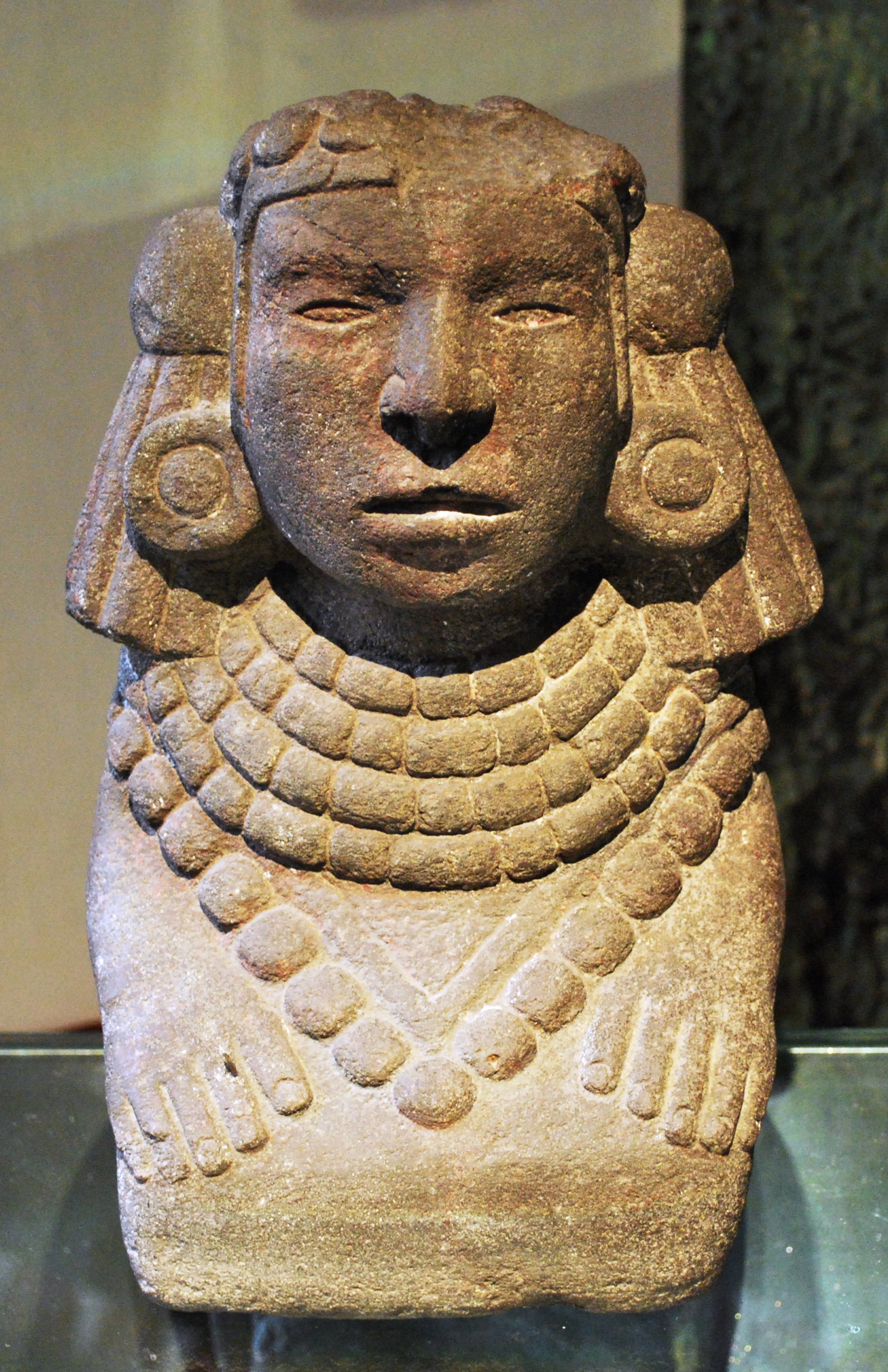
This exhibition catalog explores the relationship between the Virgin Mary and the indigenous goddess Tonatzin. It shows how elements of their stories and symbols have come together over time. Coatlaxopeuh, a name linked to the Virgin of Guadalupe, highlights how native traditions were woven into Catholic beliefs after the Spanish conquest. The blending of Tonatzin, a Mesoamerican mother figure, with the Virgin Mary reflects the merging of cultural and spiritual ideas. Through art, artifacts, and essays, the catalog reveals how these two important figures have shaped religious practices and cultural identity.
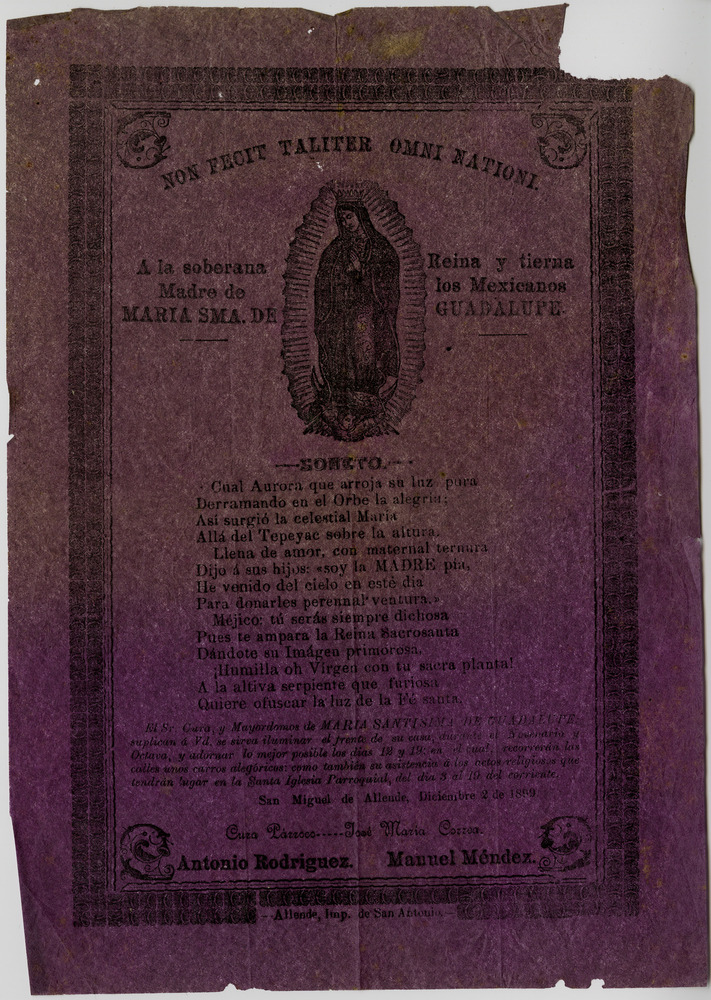
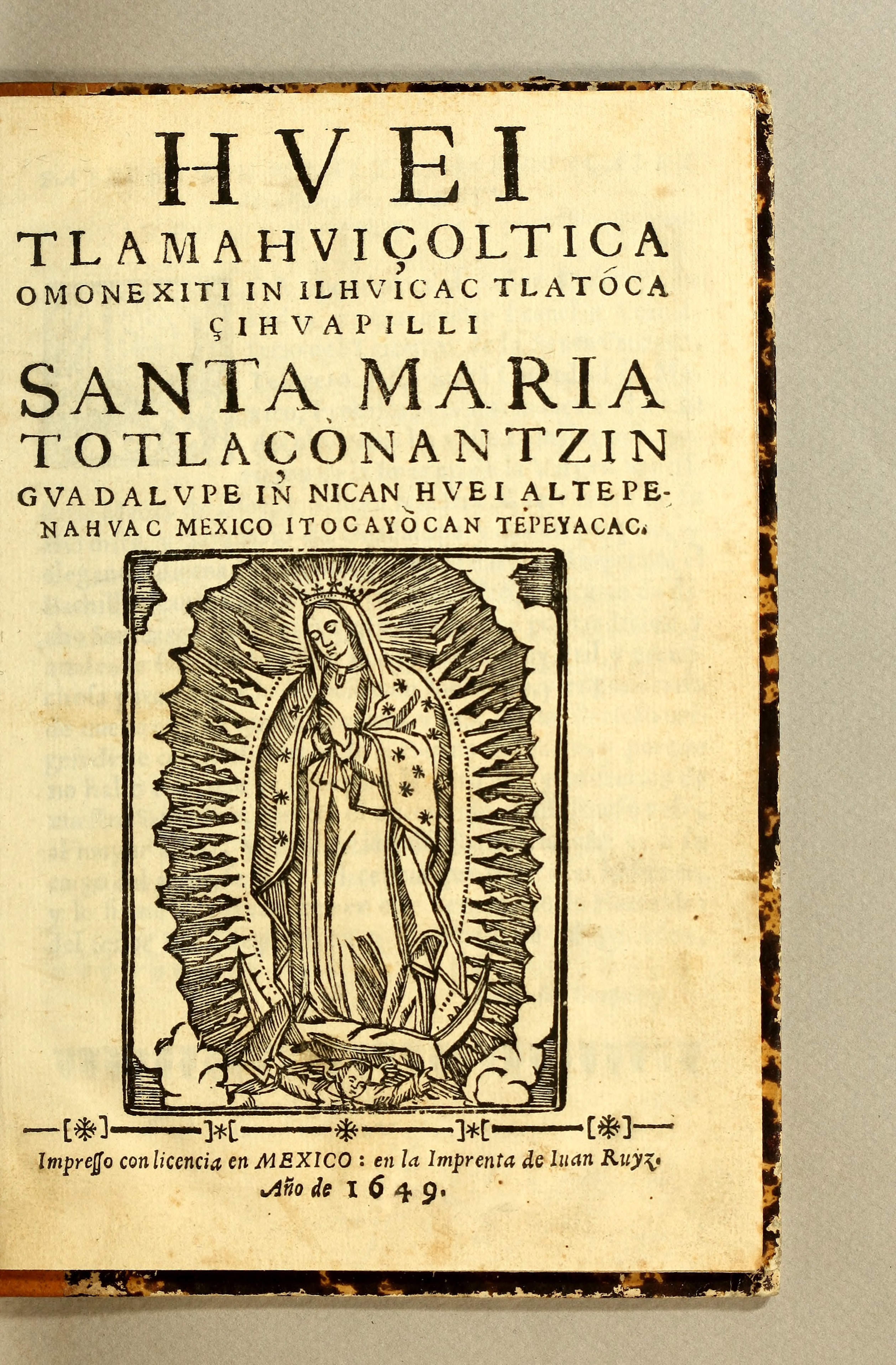
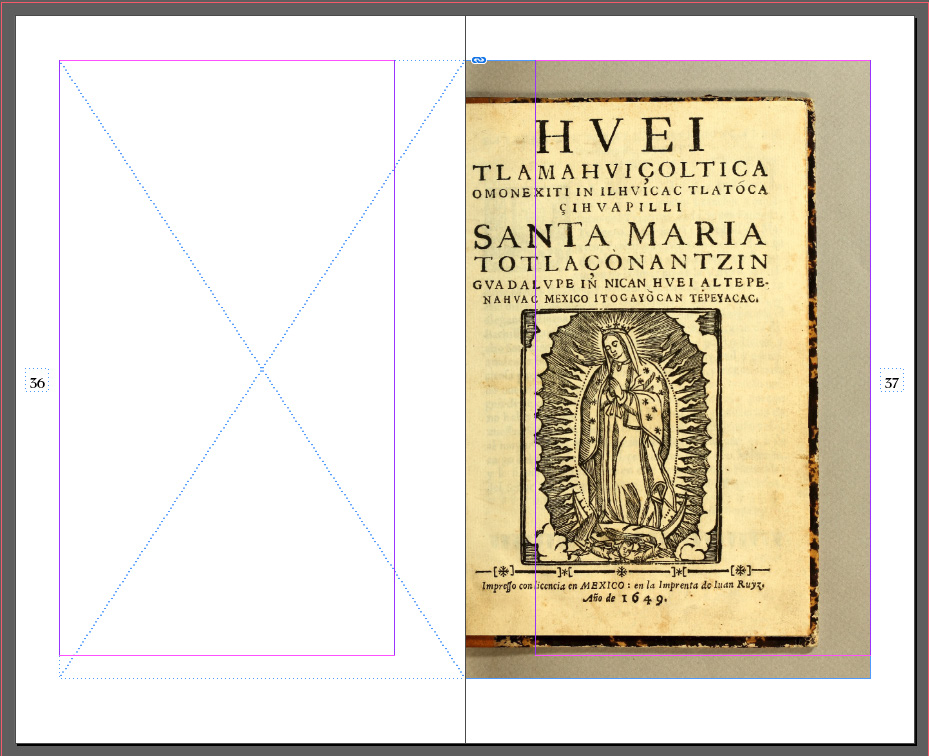
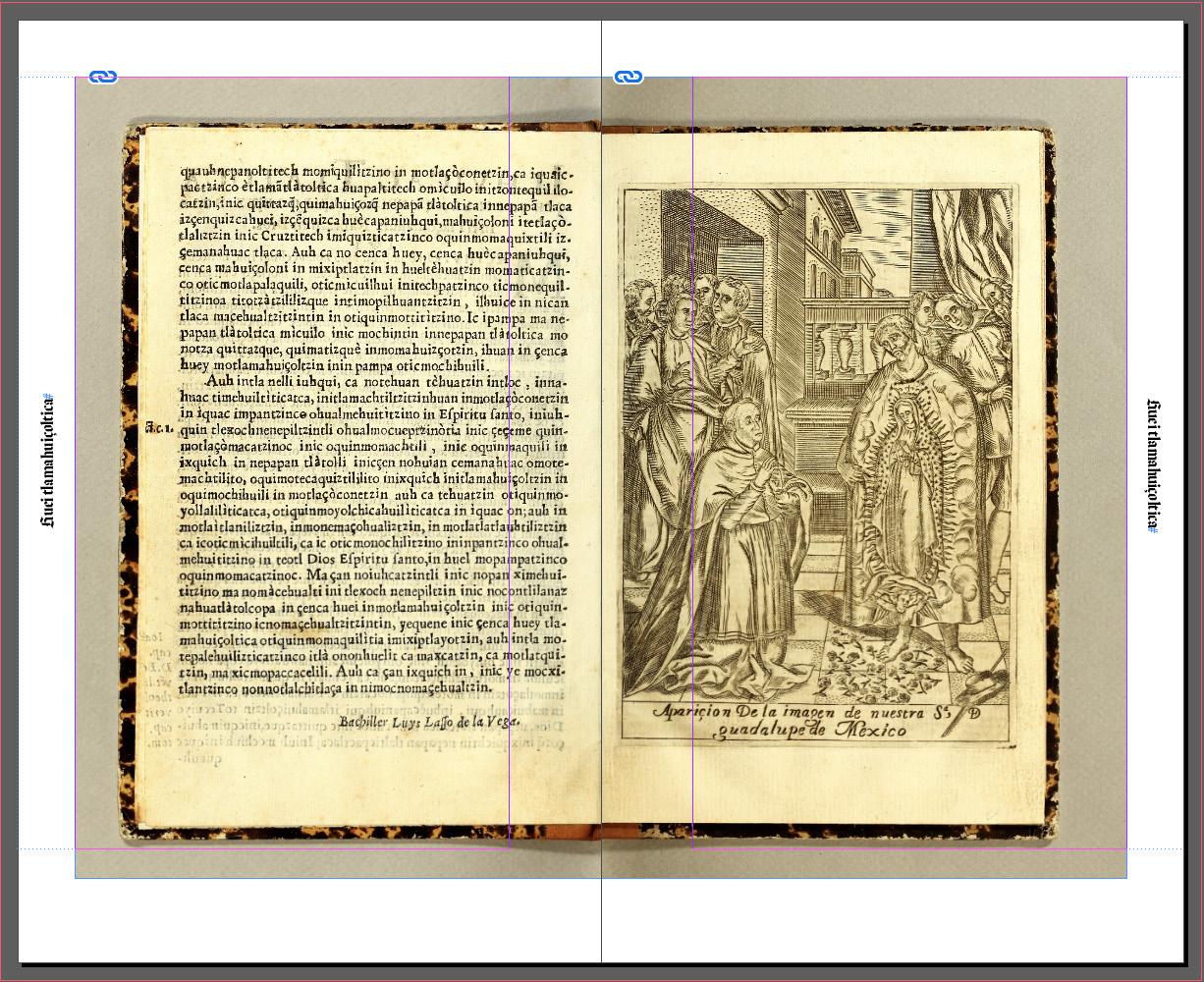
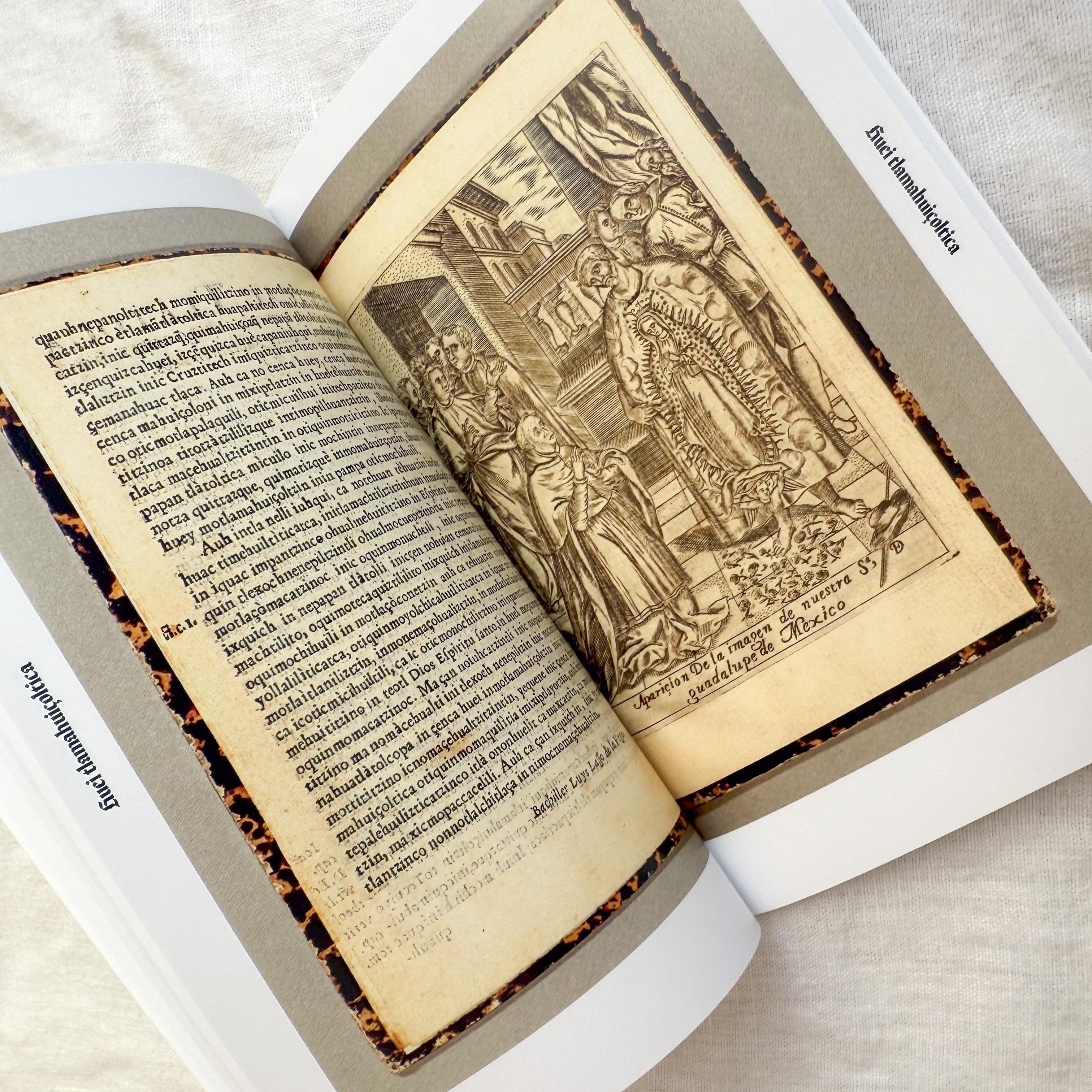
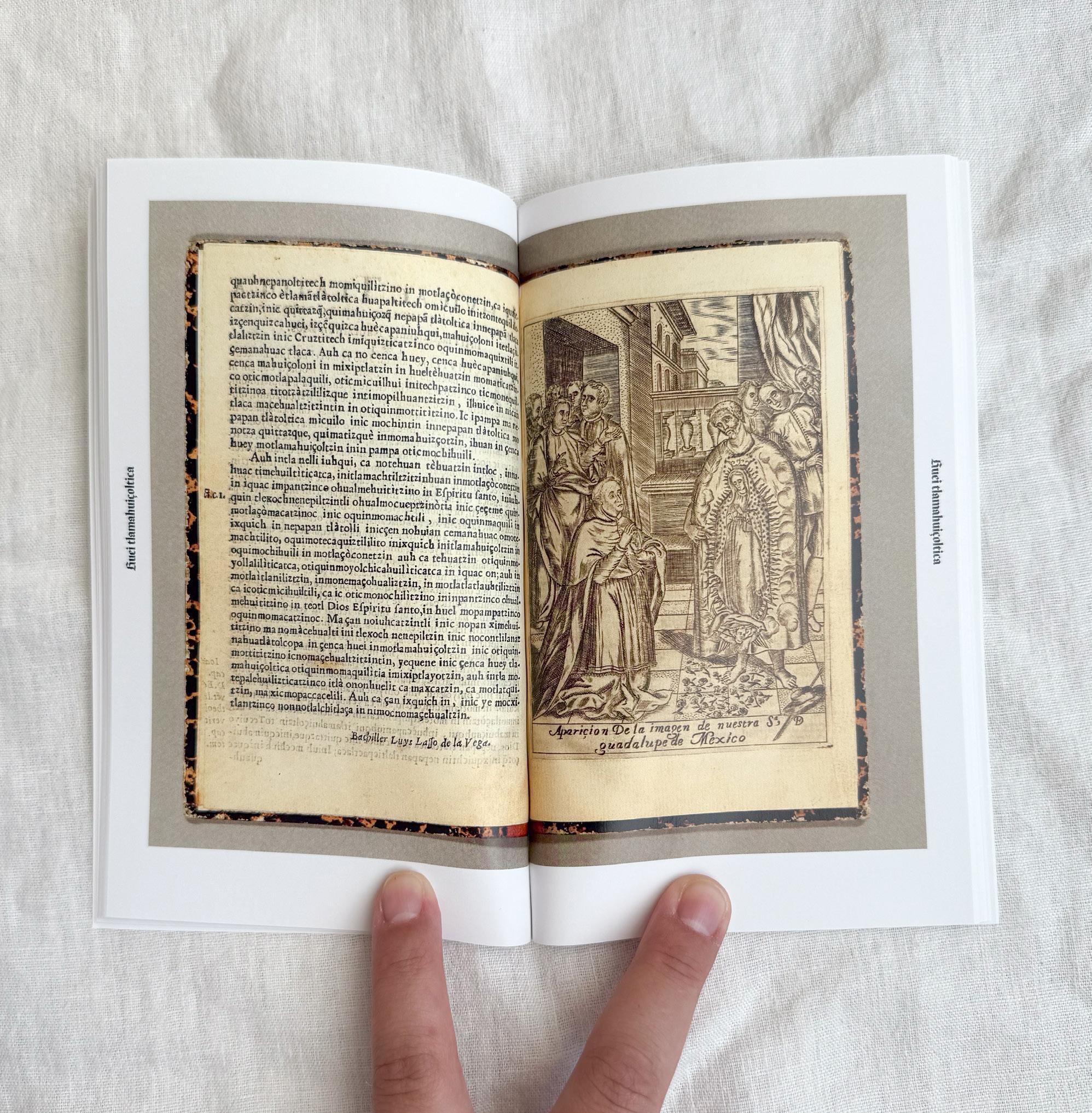
This exhibition catalog explores the cultural and spiritual syncretism between the Virgin Mary, specifically the Virgin of Guadalupe, and the indigenous goddesses Tonatzin and Coatlicue. Central to the exhibit is the Huei tlamahuiçoltica, one of the earliest accounts of the Virgin's apparitions to Juan Diego, complemented by woodblock prints depicting these visions. Religious handbills with devotional poems further highlight the merging of Catholic and indigenous traditions following the Spanish conquest. Sculptures of Tonantzin and Coatlicue show how Mesoamerican deities were blended with Catholic iconography, creating symbols of motherhood, protection, and spiritual resilience. The visual elements and artifacts reveal how indigenous spirituality shaped the religious practices of modern-day communities and preserved cultural identity.
It would be displayed in the art history or religion section of a bookstore, as well as in an anthropology or history museum, and at a Mexican cultural center.
The intended audience includes individuals who are Mexican and have an interest in Spanish colonialism, religious texts, or anthropology.
Readers will want to explore the catalog because it offers a clear understanding of how indigenous beliefs, like those around Tonatzin and Coatlicue, mixed with Catholic traditions after the Spanish conquest. It also provides historical context, including the Huei tlamahuiçoltica, explaining the changes that happened during colonization. Art lovers will enjoy the detailed look at the exhibition's prints and sculptures, uncovering the meanings behind these artworks.
Finally, the catalog will be useful for students and scholars studying history, art, or religion. It provides practical context and references for research and learning.
When readers look at the catalog, I want them to feel a deeper connection to the rich mix of indigenous and Catholic traditions. I want them to think about how history, religion, and art came together to shape beliefs after the Spanish conquest. I want them to learn how indigenous spirituality adapted and blended with new influences, and to understand the significance of figures like Tonatzin, Coatlicue, and the Virgin of Guadalupe.
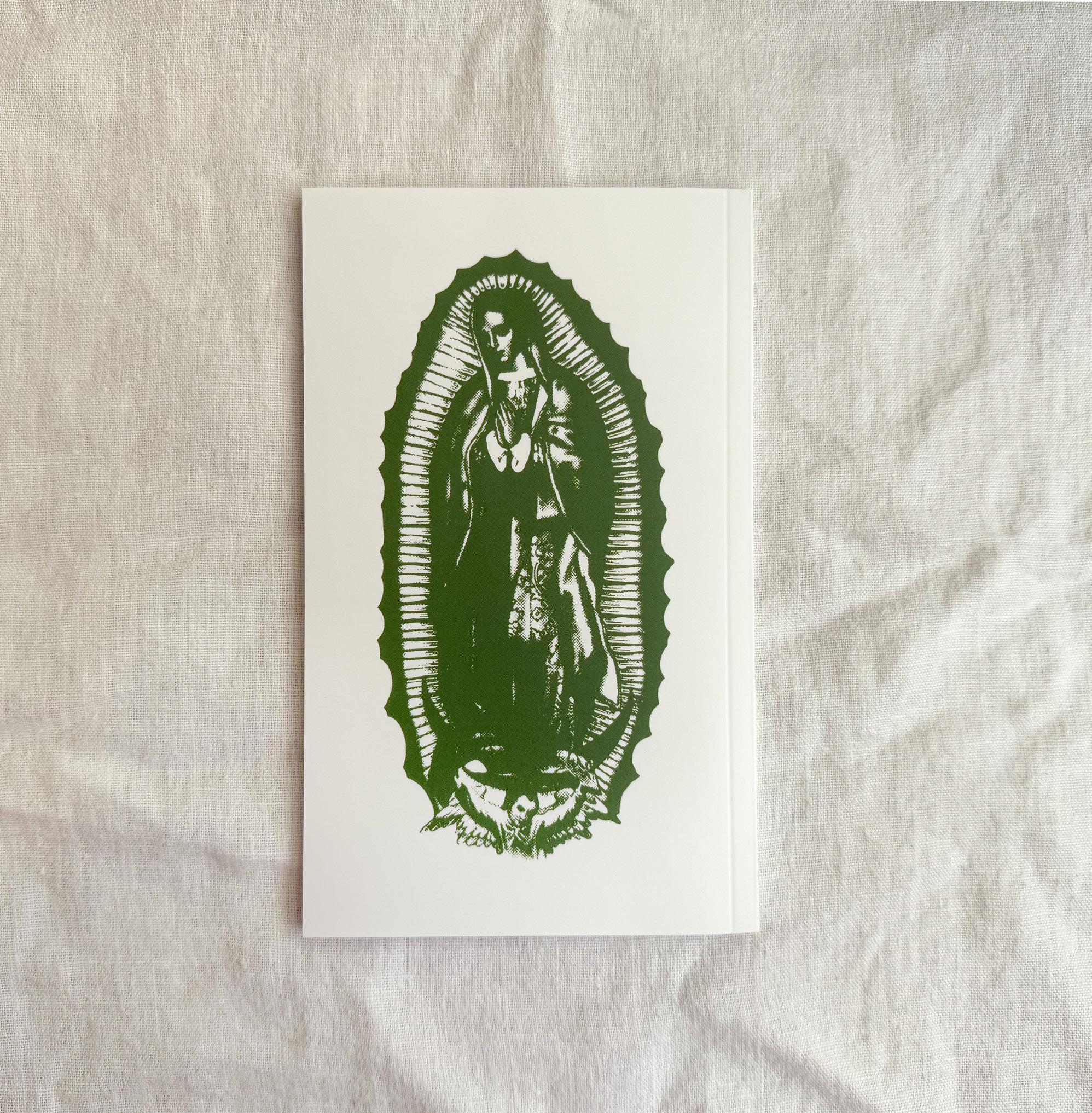
The book format is 4.5 x 6.5 inches, similar to a modern personal-sized bible, with saddle stitching. The material direction references lightweight paper similar to historical handbills used to spread devotional messages.
Virgin guadalupe lamp from mymexicostore.com
A María de Guadalupe : Soneto. San Miguel Allende : Santa Iglesia Parroquial de S. Miguel Allende, Imp. Económica y Encuadernación frente al Mercado; D[iciem]bre 12 de 1898
[Canela Blackletter and Medium Titling]
CLASSIFICATION
[Blackletter]
DESIGNER
[Miguel Reyes]
FOUNDRY
[Commercial Type]
[Canela Text and Regular]
CLASSIFICATION
Sans Serif
DESIGNER
[Miguel Reyes]
FOUNDRY
[Commercial Type]

A design research project tracing connections between textiles, language, and computation.

A speculative design project examining how faith, technology, and consumer ritual converge.
A conference identity system connecting print craft, accessibility, and digital interfaces.